


Your direct report pauses, shrugs, and says, “Yeah, everything’s fine.” You know it isn’t. You ask a couple of follow‑up questions, but the conversation stays on the surface. Later, a small misunderstanding snowballs into a missed deadline and a tense retro. Sound familiar? Most communication problems in teams come from people feeling unheard, not from a lack of channels or tools. The good news: you can train listening like any other leadership skill. This guide gives you practical active listening exercises you can run in team meetings, 1:1s, and training sessions — so people feel genuinely heard and projects stay on track.
What is active listening (for managers)?
Active listening is more than nodding at the right moments. As a manager, it means giving someone your full attention, checking that you’ve understood both the content and the emotion, and responding in a way that makes it safe for them to keep talking.
In practice, that looks like:
- Putting your laptop and phone out of reach during 1:1s.
- Asking open questions (“What’s making this hard?”, “What options have you considered?”).
- Summarising what you heard: “So you’re worried about scope creep and unclear ownership, is that right?”
- Noticing tone and body language, not just words.
- Checking next steps: “What would good look like after this conversation?”
Leadership coaches at organisations like the Center for Creative Leadership treat listening as a core management skill, right alongside feedback and decision-making. When you listen well, you catch problems sooner, reduce rework, and build trust that outlasts any single project.
Research backs this up. One study on supervisors’ listening found that managers’ active‑empathetic listening is an important driver of employees’ engagement and sense of good working conditions. And Salesforce‑sponsored research on more than 1,500 workers found that employees who feel heard are about 4.6 times more likely to feel empowered to do their best work, as reported in this Salesforce research on feeling heard.
If you already work on better 1:1 questions, these listening habits are the other half of that skill set.
How to use these exercises with your team
TL;DR:
- Pick one scenario and keep it to 10–15 minutes.
- Rotate roles: speaker, listener, observer.
- Debrief on behaviours, not personalities.
Think of each listening exercise as a short team workout. You don’t need a half‑day workshop; you just need a regular slot and clear ground rules.

The 4-step Listening Lab
Use this simple “4‑step Listening Lab” framework whenever you run an exercise:
- Choose a scenario from the list below that matches a real challenge (feedback, conflict, missed expectations).
- Set roles: one speaker, one listener, and optionally one observer taking notes.
- Run 5–7 minutes of conversation, then pause and swap roles.
- Debrief: What helped the speaker open up? Where did the listener slip into fixing or lecturing?
You can open a recurring “Listening Lab” in your calendar, just like you might set up a regular retro. Short, repeated practice beats a single big training.
Active listening worksheet: quick template
Before you start, share a simple active listening worksheet so everyone knows what to look for. You can do this in a shared doc, Notion page, or your wiki.
Copy this structure:

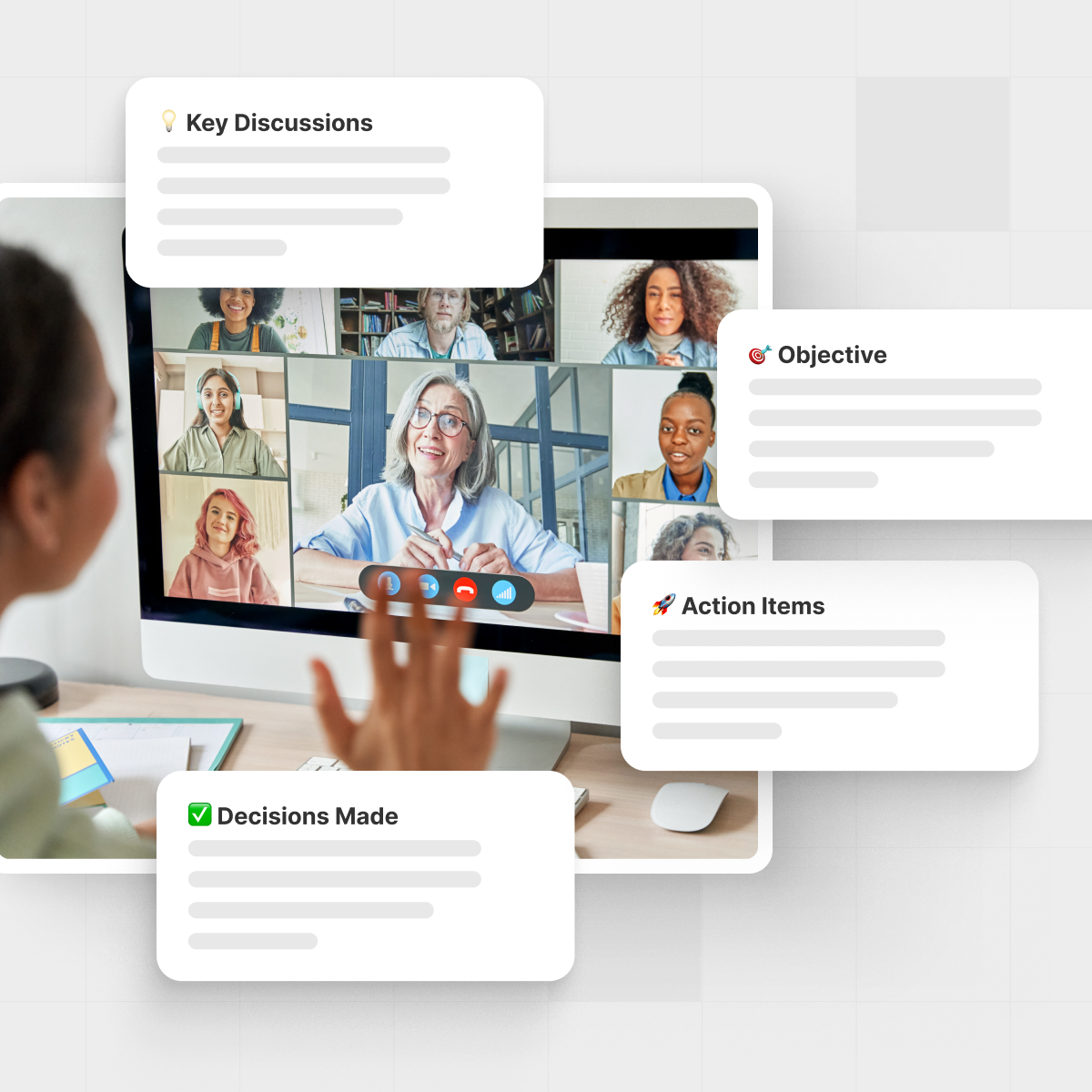
Turn this into a reusable meeting notes template so managers can use it during real 1:1s, not just practice sessions.
10 role-play listening scenarios
Here are ten short role-plays you can use as a listening exercise in team meetings, manager roundtables, or leadership programs. Adapt details to your context so they feel real, not theatrical.
Scenario 1: The “everything’s fine” 1:1
When to use: Regular 1:1s where reports stay on the surface.
Goal: Help managers spot guarded answers and gently dig deeper.
Prompt: The speaker plays a report who insists things are fine despite clear stress. The listener’s job is to ask open questions and summarise what they hear without jumping to advice.
Scenario 2: Misaligned expectations on a project
When to use: After missed deadlines or scope surprises.
Goal: Train managers to listen for assumptions, not just tasks.
Prompt: The speaker expected support from another team and feels let down. The listener explores what was said, what was implied, and what the speaker needs now.
Scenario 3: Tough performance feedback
When to use: Before performance reviews or improvement plans.
Goal: Help managers hear reactions without becoming defensive or sugarcoating.
Prompt: The speaker hears critical feedback and responds with frustration or withdrawal. The listener reflects feelings, checks understanding, and asks what support would help.
Scenario 4: Team conflict over priorities
When to use: Cross-functional clashes about what matters most.
Goal: Practice listening for interests (why) instead of only positions (what).
Prompt: Two teammates want different priorities. The listener meets with each one separately, summarising their concerns and testing for shared goals.
Scenario 5: Burnout signals in a high performer
When to use: When star performers seem tired or short-tempered.
Goal: Teach managers to notice subtle cues and stay present with discomfort.
Prompt: The speaker is delivering results but feels exhausted. The listener names what they notice (“You’re describing long hours and low energy”) and asks what would feel sustainable.
Scenario 6: Remote teammate who rarely speaks up
When to use: Distributed teams and hybrid meetings.
Goal: Strengthen listening through silence, pauses, and explicit turn‑taking.
Prompt: The speaker tends to stay quiet on calls. The listener practices inviting them in gently, then reflecting back their points so they feel heard.
Scenario 7: Frustration with a new process
When to use: After rolling out tooling or workflow changes.
Goal: Stop conversations from turning into rants and keep curiosity alive.
Prompt: The speaker feels the new process slows them down. The listener listens for specific friction points and separates venting from actionable feedback.
Scenario 8: Escalation from another team
When to use: Hand-offs between customer-facing and product/engineering teams.
Goal: Help managers listen to partners without becoming defensive or territorial.
Prompt: The speaker brings a hot customer issue. The listener summarises what customers are experiencing and what the other team needs, before proposing fixes.
Scenario 9: Return from leave
When to use: After parental leave, illness, or long vacations.
Goal: Encourage managers to tune into pace, boundaries, and support needs.
Prompt: The speaker has just returned and feels behind. The listener asks about bandwidth, worries, and what would make the next month feel manageable.
Scenario 10: Retro after a failed launch
When to use: Post‑mortems where blame could flare up.
Goal: Practice listening for learning, not fault‑finding.
Prompt: The speaker shares their perspective on what went wrong. The listener captures facts, emotions, and lessons, then checks, “What did I miss or misunderstand?”
Tips to keep practice safe and productive
“Listening is a skill you build on purpose, not a personality trait you either have or don’t.”
- Say what this is — and what it isn’t. This is light practice, not a performance review or therapy session.
- Use real-ish scenarios, not soap operas. Draw from day‑to‑day tension points like prioritisation, hand‑offs, and feedback.
- Focus feedback on behaviours. “You kept interrupting after two seconds” lands better than “You’re bad at listening.”
- Make speaking optional. Let people sit out or be observers if role-play feels intimidating at first.
- Normalise do‑overs. Let the listener replay a moment with a different question or reflection.
For more ideas on structuring psychological safety in conversations, you might like this overview from Harvard Business Review on better questions, and our own AI video summary guide for turning long calls into clear notes.
Turn YouTube leadership videos into listening practice
If your team learns from leadership talks, webinars, or management channels on YouTube, you can turn that viewing time into listening reps as well.

- Pick a talk or panel on feedback, coaching, or conflict that fits a current theme for your team.
- Use IsThisClickbait or our YouTube chapter generator guide to generate a summary and key moments, so you can scan the content before you press play and jump straight to the most relevant clips.
- Share one short segment and ask everyone to jot notes in the active listening worksheet: What did the speaker say? What did they imply? How did their tone reinforce or undercut the message?
- Debrief as managers: How could you borrow or improve those listening moves in your own 1:1s?
Because IsThisClickbait turns long videos into clean summaries and timestamps, you can stitch together a focused learning path on listening without scrubbing through hours of footage. If you also follow the 5-minute brief workflow, you’ll spend even less time guessing which talks are worth watching in full. That means more time practicing, less time hunting for the one helpful minute.
When you’re ready to systemise this across your org, explore our plans for teams and plug summaries straight into your internal training docs.
FAQ: active listening for managers and teams
How often should managers run active listening exercises?
Once a month is a solid baseline. If your team is scaling quickly, restructuring, or handling tough incidents, run a short listening exercise weekly for a while. Think of it like standups for your communication muscles, and pair it with a simple 5-minute brief workflow for long leadership videos so practice time doesn’t get crowded out by watching time.
What if people hate role-play?
Start small: 5‑minute scenarios, realistic prompts, and an option to be an observer. You can also use the active listening worksheet during real meetings — no acting required — and pause afterward for a quick discussion on what people noticed.
Can these listening exercises work with remote teams?
Yes. Use breakout rooms, keep groups to two or three people, and set a clear order for speaking so no one talks over others. Encourage cameras on when bandwidth allows, since facial expressions carry a lot of signal, and use a video summary tool for podcasts if you also train with recorded calls or long leadership episodes.
How do I know if my listening is improving?
Watch for signs like: fewer “surprise” escalations, clearer action items after meetings, teammates raising concerns earlier, and reports saying, “Thanks for hearing me out, that helped.” Those day‑to‑day signals matter more than any scorecard.
If you track incidents or customer tickets, you can even pair them with notes from retros, using YouTube chapter workflows for customer and support calls as another way to see patterns.
Key takeaways
- Listening is a trainable management skill, not a fixed trait.
- Short, regular practice with concrete scenarios using a simple 4‑step Listening Lab beats one big workshop.
- An active listening worksheet turns rushed conversations into structured learning moments.
- YouTube talks plus tools like IsThisClickbait give you unlimited real-world material for listening practice.